Understanding Radiofrequency Ablation for Thyroid Nodule Treatment
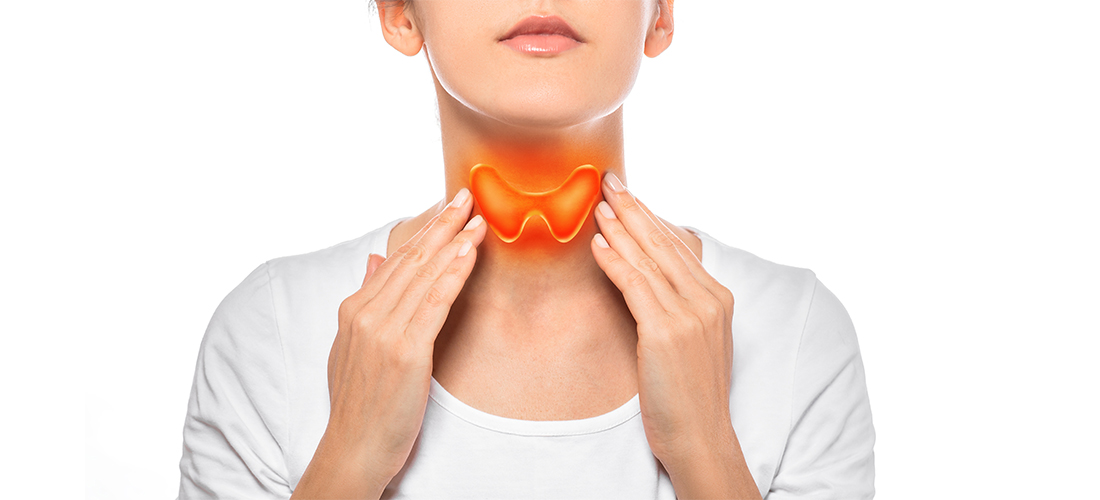
Thyroid nodules are extremely common. Many people discover them accidentally during an ultrasound done for unrelated reasons. While most nodules are harmless, it is natural to feel concerned. Questions like, “Will it grow?” “Will it cause symptoms?” and most importantly, “Will I need surgery?” are common concerns among patients newly diagnosed with nodules.
Fortunately, modern medicine offers several minimally invasive, scar-free techniques that treat thyroid nodules without removing the thyroid gland, primary among them, Radiofrequency Ablation (RFA).
This guide breaks down everything you need to know in the simplest possible way: what nodules are, how ablation works, why it is becoming the preferred treatment, and how it compares to surgery and other options.
What Exactly Is a Thyroid Nodule?
A thyroid nodule is a small lump or growth that forms inside the thyroid gland—located at the front of your neck, shaped like a butterfly. Nodules can be:
- Solid
- Fluid-filled (cystic)
- Mixed
- Overactive (hot/functional)
- Completely benign (in the vast majority of cases)
Most thyroid nodules are non-cancerous and cause no symptoms at all. Some remain the same size for years. However, a subset can:
- Grow large enough to cause visible swelling
- Create pressure in the neck
- Interfere with swallowing
- Alter thyroid hormone production
- Cause cosmetic concerns
- Affect sleep or comfort when lying down
Traditionally, surgery was considered the only definitive treatment for symptomatic nodules. But surgery comes with an incision, a hospital stay, and the risk of losing part, or all, of your thyroid function.
Ablation has changed that.
What Is Thyroid Nodule Ablation?
Thyroid nodule ablation refers to minimally invasive procedures that shrink thyroid nodules from the inside. Instead of removing the thyroid tissue, ablation targets only the nodule—sparing the rest of the gland.
While several techniques exist (laser, microwave, ethanol), the most effective and widely used method globally is Radiofrequency Ablation (RFA).
What makes ablation different?
- No surgical incision
- No stitches
- No general anesthesia
- No removal of thyroid gland
- Minimal downtime
- Cosmetic result is excellent
- Normal thyroid function is typically preserved
For patients seeking a gentler, modern alternative to surgery, ablation offers a precise and proven solution.
How Does Thyroid Radiofrequency Ablation (RFA) Work?
Radiofrequency Ablation (RFA) is a precise, image-guided procedure designed to treat thyroid nodules without surgery. Although minimally invasive, it follows a well-defined clinical protocol.
A fine, electrode-based probe is inserted through the skin
A small skin puncture allows the probe to access the nodule—without any surgical incision or sutures.
Ultrasound guidance ensures accurate targeting
High-resolution, real-time ultrasound enables the specialist to visualise the nodule at every step and position the probe with exact precision.
Thermal energy is delivered to the nodule
Radiofrequency energy generates controlled heat that induces coagulative necrosis within the targeted tissue.
Healthy thyroid tissue is preserved
Only the abnormal nodule is ablated. The surrounding thyroid gland and its function remain largely unaffected.
The treated tissue gradually reduces in volume
In the weeks to months following the procedure, the body naturally resorbs the ablated tissue, resulting in a progressive decrease in nodule size.
Most patients notice improvement in pressure symptoms and cosmetic concerns within a relatively short period.
How Do I Know If I’m a Good Candidate?
You may be an ideal candidate for RFA if your nodule meets two essential criteria:
1. It is benign (non-cancerous)
This is confirmed by FNAC/biopsy and imaging.
2. It is causing symptoms or growing
RFA is especially recommended if you have:
- A visible neck lump or swelling
- Difficulty swallowing (dysphagia)
- A choking or pressure sensation, especially when lying down
- Voice changes from compression
- A nodule that keeps growing
- A hot or functional nodule causing hyperthyroidism
- Anxiety or cosmetic concerns related to the lump
- A strong desire to avoid surgery, scars, or general anesthesia
RFA is also ideal for:
- Patients who are not good candidates for surgery
- Patients who wish to preserve their thyroid gland
- Patients looking for a short recovery period
If your thyroid nodule is affecting your comfort, confidence, or daily activities, RFA is worth discussing with a specialist.
What Are the Benefits Compared to Surgery?
| Aspect | Thyroid RFA (Radiofrequency Ablation) | Traditional Thyroid Surgery |
|---|---|---|
| Incision & Scarring | No incision, no scar, no stitches | Visible neck incision and permanent scar |
| Thyroid Preservation | Entire thyroid gland is preserved | Partial or total thyroidectomy common |
| Anesthesia | Local anesthesia only | Requires general anesthesia |
| Risk Profile | Lower risk of bleeding, infection, and nerve injury | Higher risk of complications, including recurrent laryngeal nerve injury |
| Thyroid Function | Very low risk of hypothyroidism | High likelihood of lifelong thyroid hormone replacement |
| Recovery Time | 1–2 days for most patients | 1–2 weeks, sometimes longer |
| Hospital Stay | Day-care procedure; home same day | Usually requires admission |
| Cosmetic Outcome | No visible marks on the neck | Prominent surgical scar |
| Effectiveness | 50–80% volume reduction with strong symptom improvement | Effective but involves tissue removal |
| Ideal For | Patients wanting a minimally invasive, gland-preserving option | Patients with cancer or very large complex nodules |
| Long-Term Outcomes | Durable shrinkage, low recurrence | Effective but involves permanent loss of thyroid tissue |
What Should I Expect During the Procedure?
- Performed under local anesthesia: You remain awake but comfortable.
- Entirely ultrasound-guided: This ensures precision and safety.
- Short duration (20–40 minutes): Most RFA sessions are completed within an hour.
- Minimal discomfort: A warm sensation or mild pressure is typical.
- Same-day discharge: There is no need for an overnight hospital stay.
What Is Recovery Like After RFA?
Recovery is generally quick and smooth.
Within 24–48 hours:
- Mild neck soreness
- Slight swelling
- Minimal discomfort while swallowing
These resolve quickly without intervention.
Within days:
Most people resume normal routines, work, and activities.
Within weeks:
Pressure symptoms reduce
Swallowing becomes easier
Cosmetic appearance improves
Within months:
The nodule continues to shrink steadily, often achieving:
50–80% reduction in volume
Regular follow-up ultrasounds track the progress.
Does RFA Really Work?
RFA is supported by strong clinical evidence worldwide.
Proven results include:
- 50–80% nodule shrinkage
- Significant symptom relief
- Reduction of cosmetic bulging
- Normalization of hormones in functional nodules
- Low recurrence rates
- Preservation of thyroid function
Thousands of patients globally now opt for RFA as a first-line therapy because it provides effective treatment without the trauma of surgery.
Still Wondering If Thyroid RFA Is Right for You?
If your thyroid nodule is causing discomfort, anxiety, cosmetic issues, swallowing difficulties, or hormonal imbalance, a specialist evaluation can help determine whether RFA is the right choice.
RFA has quickly become the preferred option for eligible patients because it offers:
- Effective symptom relief
- Preservation of thyroid tissue
- Faster recovery
- No scar
- Lower risk
- Long-lasting results
A specialist evaluation can help you decide.
Why Choose RIVEA for Thyroid Nodule Evaluation and RFA?
RIVEA Vascular Institute brings modern, evidence-based thyroid care supported by advanced imaging, precision technology, and a patient-first approach.
At RIVEA, patients benefit from:
- Trusted expertise: Procedures are performed by Dr. Arjun Reddy, one of South India’s leading Interventional Radiologists with extensive experience in thyroid RFA.
- Precision-guided treatment: High-resolution ultrasound guidance ensures accuracy, safety, and optimal results.
- Scar-free, minimally invasive care: RIVEA specializes in organ-preserving techniques, treating the nodule, not removing the thyroid.
- Comprehensive evaluation & follow-up: From diagnosis to post-procedure monitoring, every step is streamlined and patient-centered.
- Modern facilities & high safety standards: State-of-the-art equipment ensures comfort, efficiency, and superior outcomes.
- A commitment to advanced vascular & image-guided therapies: RIVEA has been recognized for excellence in vascular specialty care, reflecting its dedication to delivering world-class care.
If you are exploring a safe, modern, and scar-free solution for thyroid nodules, Thyroid RFA at RIVEA may be the right path for you.
Click here to learn more about:
Radiofrequency Ablation (RFA)
For any inquiries, post your query here:
Ask Rivea
Contact us today to explore your options.
Call Now