Diabetes & Circulation
Understanding the Connection
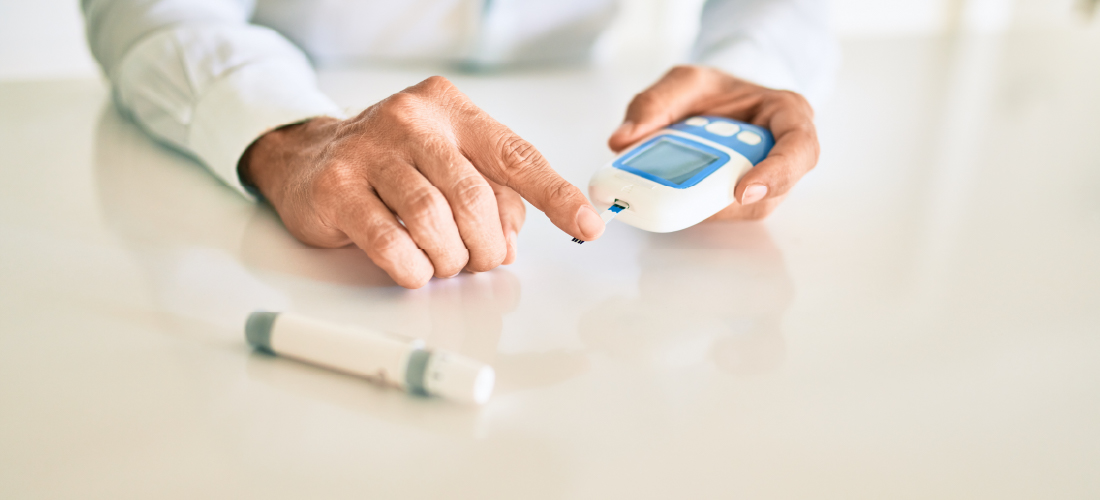
Diabetes is commonly understood as a disorder of glucose regulation, requiring monitored glucose levels, adjusting diet, and managing insulin. But that description, while accurate, tells only part of the story. Clinically, however, it is a systemic vascular disease. Over time, persistently high blood sugar does something far more systemic and far more dangerous: it damages blood vessels.
Chronic hyperglycemia affects both large (macrovascular) and small (microvascular) blood vessels. Over time, these changes increase the risk of coronary artery disease, stroke, peripheral artery disease (PAD), kidney disease, retinopathy, and limb-threatening complications. Importantly, vascular damage often develops years before symptoms appear.
For patients living with diabetes, vascular health is not a secondary concern. It is central to long-term outcomes.
How High Blood Sugar (Chronic Hyperglycemia) Damages Blood Vessels
To understand the connection between diabetes and circulation, it helps to understand what blood vessels are actually doing. The innermost lining of every blood vessel is a single-cell layer called the endothelium. The endothelium is one of the most metabolically active tissues in the body. It regulates blood flow, controls inflammation, manages clotting, and keeps the vessel wall healthy and responsive.
Persistent elevation in blood glucose over months or years disrupts endothelial function through several mechanisms:
- The vessel lining becomes inflamed and less responsive
- Blood vessels lose some of their ability to relax and widen
- Cholesterol builds up more easily in the vessel walls
- Plaque forms and arteries gradually narrow
This process is called atherosclerosis.
Glucose, in excess, triggers a cascade of harmful processes. The vessel lining becomes inflamed and dysfunctional, losing its ability to regulate blood flow properly. Oxidative stress increases accelerating damage to the vessel wall at a molecular level. At the same time, cholesterol begins to deposit more easily within the arterial wall, and plaque accumulates faster than the body can manage. As arteries become narrower and stiffer, less oxygen-rich blood reaches the heart, brain, kidneys, eyes, and legs. Because this happens slowly, many people do not notice symptoms until the disease is advanced.
Why Does Diabetes Increase the Risk of Heart Attack and Stroke?
People with diabetes have a significantly higher risk of cardiovascular disease.
This increased risk is not due to blood sugar alone. Many individuals with type 2 diabetes also have a cluster of cardiovascular risk factors:
- High blood pressure
- Abnormal cholesterol levels
- Excess abdominal weight
- Chronic inflammation
Together, these factors increase the risk of
- Heart attack
- Stroke
- Reduced blood flow to the heart that may not cause chest pain
And diabetes itself increases the tendency toward blood clot formation, raising the stakes further. Together, these factors dramatically elevate the risk of heart attack, stroke, and what clinicians call "silent cardiac events," episodes of reduced blood flow to the heart that produce no chest pain and no dramatic symptoms, yet cause lasting damage.
In some patients with diabetes, nerve damage can reduce the typical warning signs of heart disease. As a result, serious problems may develop without clear early symptoms.
For this reason, cardiovascular monitoring is an important part of diabetes care.
How Does Insulin Resistance Affect Circulation?
Insulin has direct vascular effects independent of glucose metabolism. Under normal conditions, insulin helps regulate blood sugar. It also helps blood vessels relax so blood can flow smoothly.
In insulin resistance:
- Endothelial responsiveness is reduced
- Vasodilation is impaired
- Inflammatory signaling within arterial walls increases
- Atherogenic lipid patterns accelerate plaque formation
The vascular consequences of insulin resistance often precede overt hyperglycemia. This helps explain why patients with metabolic syndrome may develop vascular disease even before diabetes is formally diagnosed.
Insulin resistance, the defining characteristic of type 2 diabetes, is typically understood as a problem of glucose metabolism. The body's cells stop responding properly to insulin, glucose builds up in the bloodstream, and the pancreas works overtime to compensate. As a result:
- Blood vessels do not widen as effectively
- Inflammation increases inside artery walls
- Harmful cholesterol particles build up more easily
These changes contribute to narrowing of the arteries over time. Importantly, circulation problems can begin even before diabetes is formally diagnosed.
At the same time, the inflammatory environment that drives insulin resistance also drives inflammation within arterial walls. Lipid abnormalities associated with insulin resistance — elevated triglycerides, low HDL, and small dense LDL particles — accelerate plaque formation. And as circulation becomes compromised, oxygen delivery to tissues falls short of what the body requires.
The legs and feet bear the brunt of this. They are the furthest from the heart, supplied by the longest arterial pathways, and the most vulnerable to the cumulative effects of reduced circulation. When blood flow to the lower extremities is compromised, the body struggles to heal even minor injuries. Additionally, the immune response gets weakened and the risk of infection rises. Small cuts or blisters can become something far more serious.
Peripheral Artery Disease (PAD) in Diabetes
Peripheral Artery Disease (PAD) is the narrowing or blockage of the arteries that supply the legs and feet. It is a direct consequence of atherosclerosis in the peripheral circulation, and it is disproportionately common in people with diabetes.
Patients with diabetes are more likely to develop PAD than the general population, more likely to develop it at a younger age, and more likely to experience a rapidly progressive or severe form of the disease. The protective mechanisms that slow vascular disease in others are often compromised in diabetes, meaning the disease can advance quickly and with less warning.
What symptoms should patients look for?
Symptoms may include:
- Pain or cramping in the legs while walking that improves with rest
- Reduced walking distance
- Numbness or weakness in the legs
- Coldness in the lower legs or feet
However, some patients with diabetes do not experience pain because of nerve damage. In these cases, PAD may go unnoticed.
Advanced PAD can cause:
- Persistent foot pain, especially at night
- Slow-healing wounds on the toes or feet
- Skin discoloration
- Tissue damage
When blood flow is severely reduced and tissue survival – the condition is termed chronic limb-threatening ischemia (CLTI) – is at risk, urgent medical care is required.
How Do Nerve Damage and Poor Circulation Work Together?
Diabetes can damage both nerves and blood vessels.
Nerve damage (neuropathy) reduces sensation in the feet. A patient may not feel a blister, small cut, or pressure sore.
If circulation is also reduced:
- Wounds heal more slowly
- Infection risk increases
- Tissue damage can worsen quickly
This combination of neuropathy, ischemia, and infection is one of the main reasons leading to lower-limb amputation in patients with diabetes. Early recognition and treatment are critical.
Can Circulation Problems Be Detected Before Symptoms Appear?
Yes. Circulatory problems can often be identified before they cause noticeable symptoms.
Doctors may use simple, non-invasive tests such as:
- Ankle-Brachial Index (ABI), which compares blood pressure in the ankle and arm
- Toe pressure measurements
- Doppler ultrasound to evaluate blood flow
Screening is especially important for patients who:
- Are over age 50
- Have had diabetes for many years
- Smoke or previously smoked
- Have high blood pressure or abnormal cholesterol
- Have known heart disease
Early detection allows treatment before complications develop.
Can Vascular Damage in Diabetes Be Reversed?
Early changes in blood vessel function can improve with aggressive risk factor control and careful medical management.
Key steps include:
- Maintaining blood sugar within target range
- Controlling blood pressure
- Taking cholesterol-lowering medication when prescribed
- Stopping smoking
- Exercising regularly
- Maintaining a healthy weight
Established atherosclerotic plaque in arteries usually does not disappear completely. However, progression can be slowed, and blood flow can often be improved with medical or minimally invasive procedures when necessary. In cases of flow-limiting disease, revascularization procedures can restore perfusion and improve symptoms.
What Treatments Are Available for Peripheral Artery Disease?
Treatment depends on severity.
In early stages, management may include:
- Exercise therapy
- Medication
- Risk factor control
If arteries are significantly narrowed, procedures may be recommended to restore blood flow. These may include:
- Balloon angioplasty (widening the artery)
- Stent placement
- Other minimally invasive endovascular treatments
- Surgical bypass in advanced cases
The goal is to relieve symptoms, improve healing, and prevent limb-threatening complications. The choice of therapy depends on lesion characteristics, symptom severity, limb status, and overall cardiovascular risk.
What Are the Early Warning Signs Patients Should Not Ignore?
Patients should seek prompt evaluation for:
- A foot wound that fails to improve within 1–2 weeks
- Increasing foot pain at rest
- Skin discoloration or blackened tissue
- Signs of infection in a diabetic foot wound
- Sudden change in walking tolerance
Early intervention can prevent progression to limb-threatening complications.
Why Is a Proactive Approach So Important?
Circulatory disease in diabetes often progresses silently. By the time pain or visible wounds appear, the condition may already be advanced.
Proactive monitoring allows:
- Early detection of vascular disease
- Timely treatment
- Reduction in heart attack and stroke risk
- Prevention of limb loss
- Preservation of mobility and independence
Managing diabetes effectively means addressing both blood sugar and blood vessel health.
Integrating Vascular Care Into Diabetes Management
Long-term diabetes care should include regular assessment of circulation.
This includes:
- Monitoring blood sugar and cardiovascular risk factors
- Periodic vascular evaluation
- Routine foot examinations
- Early referral when symptoms or abnormalities are detected
When vascular health is addressed alongside metabolic control, long-term outcomes improve significantly. For patients living with diabetes, protecting circulation should be a central part of preserving long-term health and quality of life.
The RIVEA Approach To Diabetes Treatment
Early and proactive vascular assessment: Screening for peripheral artery disease even in patients without symptoms, using non-invasive diagnostic testing to detect disease at an early stage.
Specialized expertise in diabetic limb salvage: Led by Dr. Karthik Mikkineni, with focused experience in managing complex, below-the-knee arterial disease and preventing avoidable amputations.
Advanced minimally invasive treatments:Catheter-based endovascular procedures (such as angioplasty and stenting) aimed at restoring blood flow with shorter recovery times when appropriate.
Structured long-term follow-up: Ongoing surveillance and risk factor management to reduce recurrence, support wound healing, and preserve long-term circulatory health.
Click here to learn more about:
Diabetes-Related Foot Conditions
For any inquiries, post your query here:
Ask Rivea
Contact us today to explore your options.
Call Now